
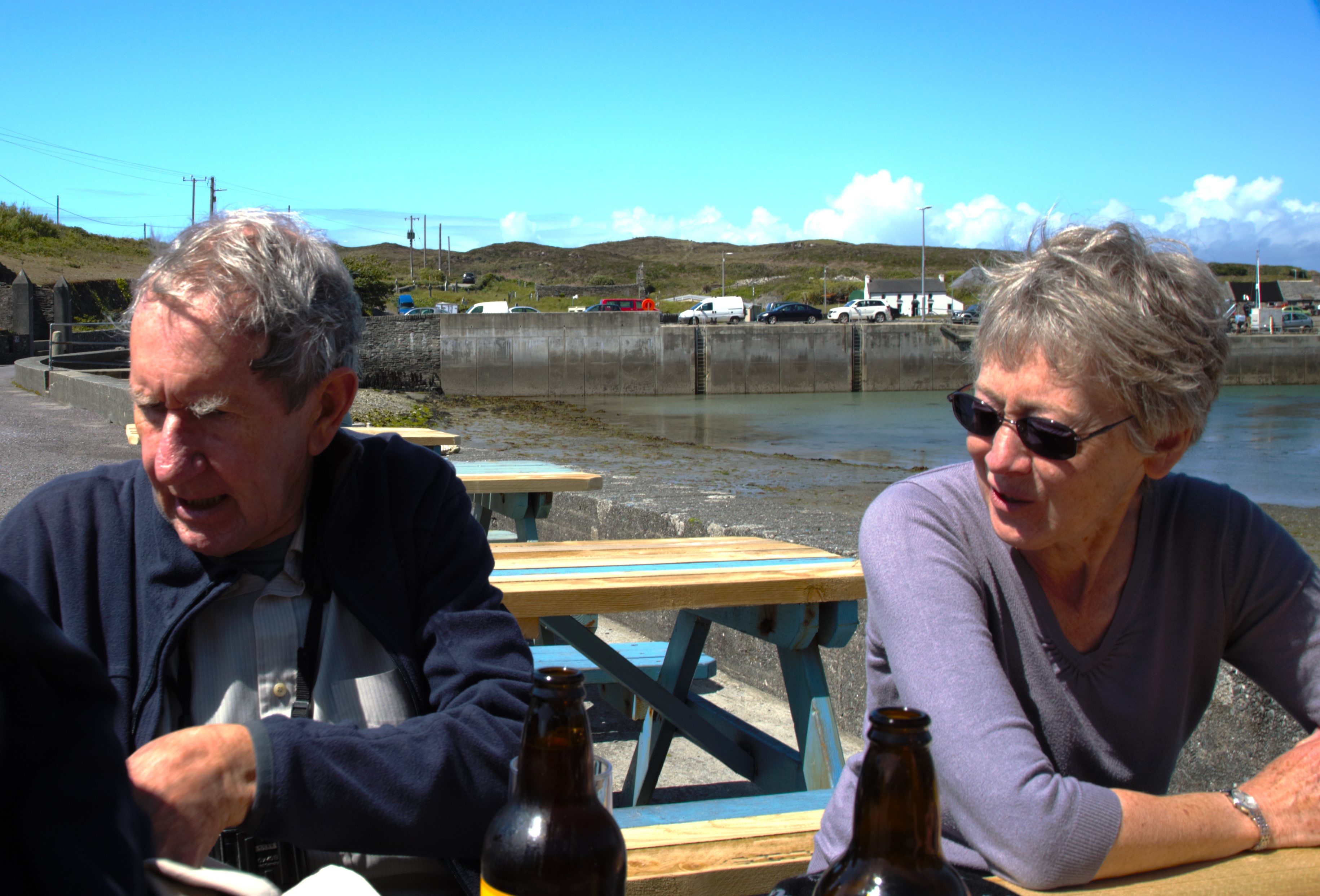
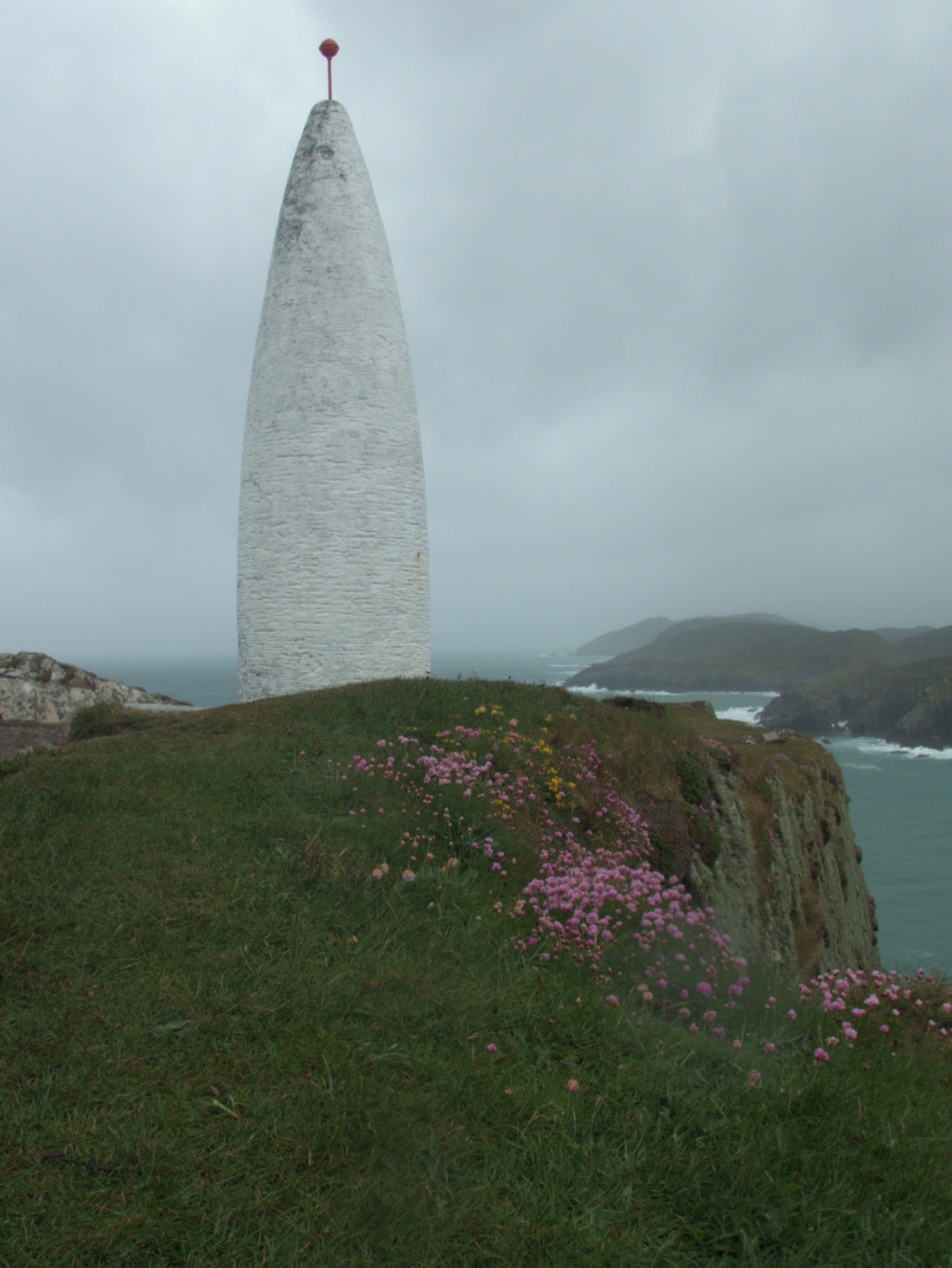
Well it all started in Baltimore which is a village at the very southern most tip of Ireland. Next stop USA. I was on holiday with my wife and some good friends Carol and David and we developed the idea. 
There are two strands to the conception. One is that both David and I have gardens surrounded by and containing old walls, however the walls round my garden are blessed with numerous plants growing from the cracks and crevices. David’s walls are however fairly bare or at least they were at that stage and we were discussing the walls in Baltimore which have a good mix of various ferns and wild flowers sprouting from them. The conversation ranged through the reasons why David’s walls were less populated than mine, how he might improve that situation, what type of plants favour walls and why and how to introduce plants to walls.
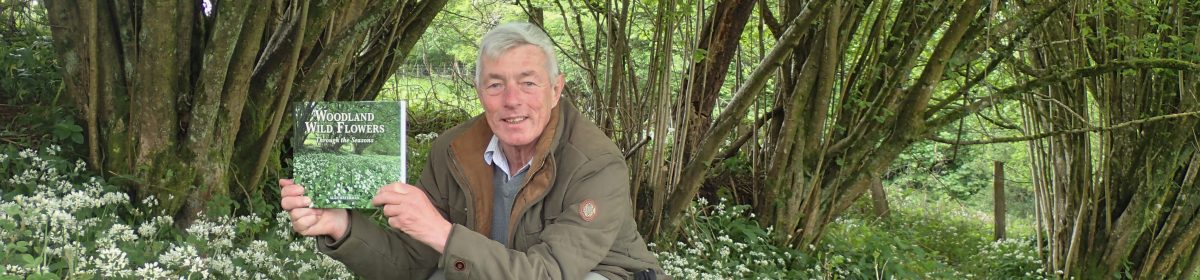
The second strand to the conception regarded publication of books and David was enquiring how my book on Woodland Wildflowers was doing and he also knew I was writing a second one about Coastal Wildflowers and wanted to know where that one was. Well that one is a bit stalled as the publishers were unsure as to whether Coastal Wildflowers was a cohesive grouping and if it were then how interested folks might be and they had asked me to wait some time to see how book one gets on and so I was somewhat in limbo. David said what about Wall flowers? a quirky sort of subject can capture peoples imagination, the classic example is the book about Log piles by the Norwegian writer Lars Mytting, which has to date sold 175,000 copies!
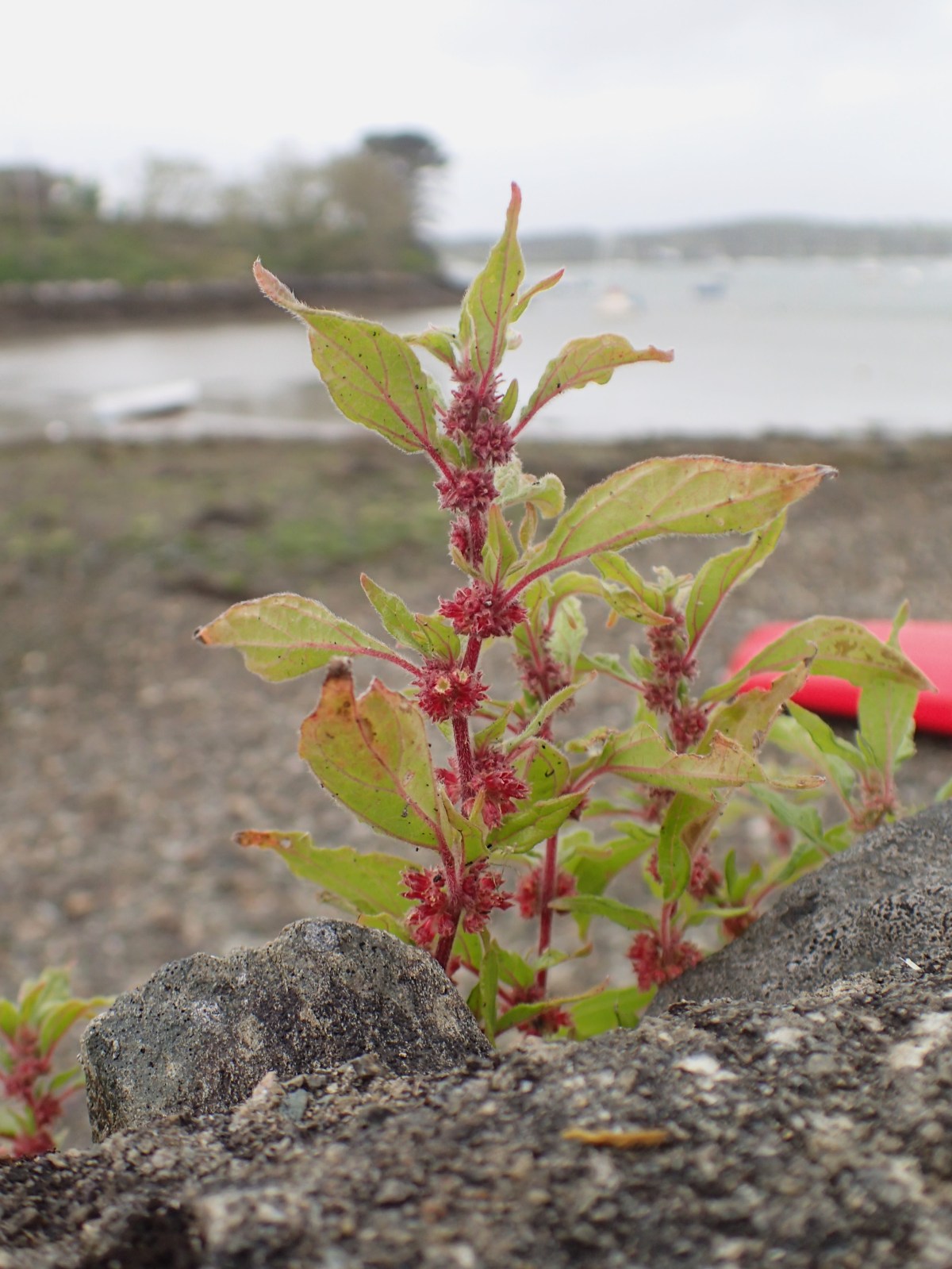
So it was chewed over and various plants and of course some ferns came to mind, several species actually have ‘wall’ in their name and one that was the growing in the Baltimore area was Pellitory of the Wall. I guessed that there were a good 50 or so plants which are often found in close association with walls. Then another idea developed, David is a great ideas man. I am not sure if this second idea was his or mine it just developed and it was that an element of the book should be about the walls. Each plant should be photographed growing from a wall which would then be described and form part of each chapter of the book, so it would be 50 plants and 50 walls. Famous walls could be visited photographed and written about. Very soon a list of walls was developing some sensible and some more fanciful. Obvious contenders were Hadrian’s Wall, The Tower of London, famous churches, bridges, gardens etc, more fanciful were Wall Street and the Great Wall of China. No it had to be British and Irish walls and the plants growing out of them.
This was all back in May and the first photos were of the Pellitory of the Wall growing out of the harbour walls round Baltimore. Subsequently I have developed this blog and visited various locations around the country, like Hadrian’s Wall, Verulamium, Tintern Abbey and a place called Wall which is in Staffordshire along with quite a few others. I have decided on which plants need to be included and it is actually about 60 different species, I have also written a few background articles such as one about the Wall environment another about wall animals and there are a few others lined up.

Progress has stalled a bit now as it is Autumn and most wall plants are Spring and Summer flowers. I have though contacted the publishers, Merlin Unwin, to see what they think of the idea. I sent them some sample pages, about 25, the same as they required when I first contacted them about my book Woodland Wildflowers. I sent this submission off on 9th September so now its wait a see time. There is a lot of wait and see in the publishing game I have discovered !
As for the fruition well however it turns out I will complete the exercise, publishing is just the icing on the cake, What I enjoy is the searching out the flowers, the photography and in this case researching the walls, their history, construction and everything about them. I want a good range of walls not all ruins and churches, so its some new and some old, some famous and some just odd. I want to find a wall with an old Walls Ice Cream advert on it and then an interesting plant next to it. Should keep me busy.
 Walls and Flowers