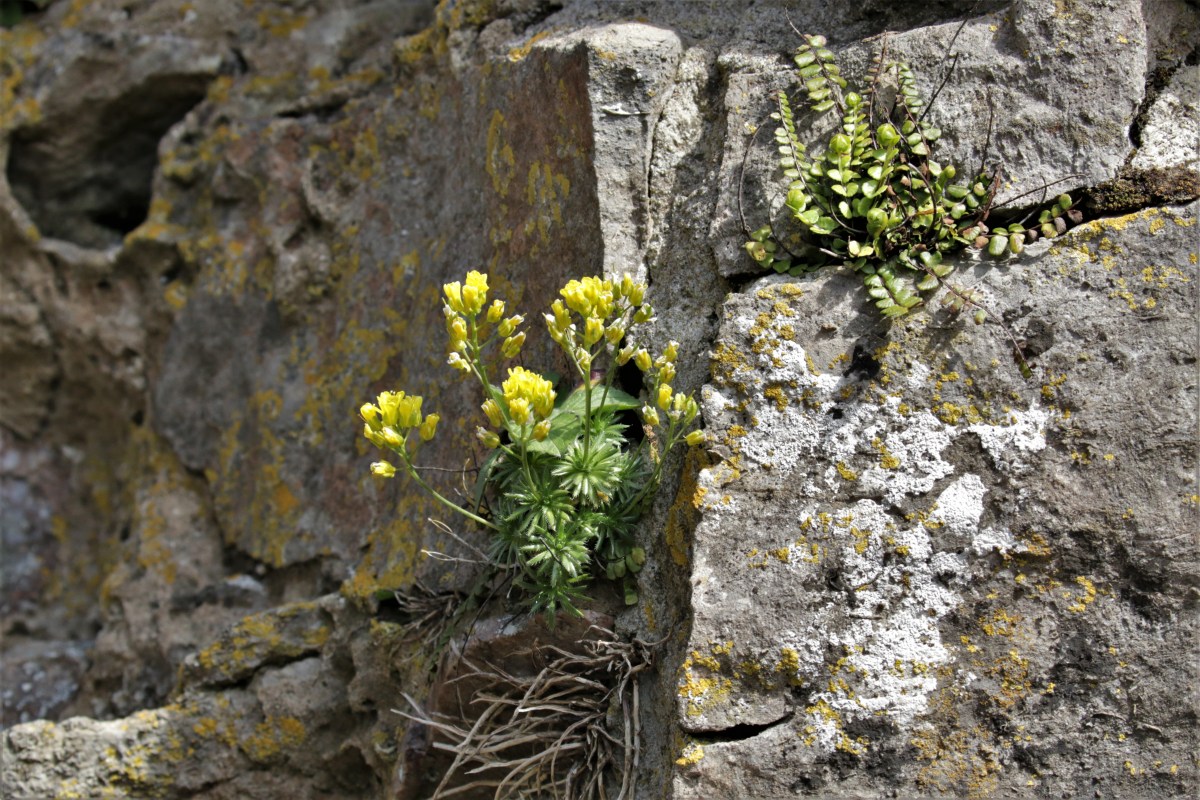
This is a plant surviving from the times prior to our last ice age, but only just.

It is limited to a small section of limestone cliffs on the south of the Gower peninsula from Pwlldu to Tears point, which has Oxwich bay in the centre so it only adds up to about 17Km or 10 miles of cliff. It is estimated that there are no more than about a thousand specimens in this area. Pennard castle which was constructed from the local limestone also supports a small population. Two things point to this plant being a survivor from before the last Ice Age. In the vicinity a 33,000 year old skeleton was found, it was named the Red Lady of Paviland because the bones were died red but it was subsequently determined that it was a man not a woman. Now the significance of this find is that it points to the fact that despite the cold it was possible to inhabit this region at what would have been the height of the last Ice age, so if humans could survive there then plants and other animals would presumably also be able to cope. These regions where life was able to carry on during the last ice age are known as ice-age refugiums. The ice cap only came down (roughly) as far as a line from Humber to the Severn so whilst conditions south of this would have been harsh these regions possibly because of the local topography were able to support life.

The yellow dots on the walls to the left of the window are patches of Yellow Whitlowgrass in flower.
Further evidence comes from DNA analysis which shows that the individuals growing in south wales are quite distinct from those on the continent suggesting that this is a continuous line of colonisation and not a reintroduction after the ice age as is the case with most of our flowering plants.
In Continental Europe it has a mainly alpine distribution, occurring between 900 and 3,400 m in the Alps and extending eastwards from the Pyrenees to the Carpathians, and westwards from the Alps to the Jura. A small isolated population in the Ardennes appears to be a pioneer one, not a relict. It is decreasing in places mainly owing to habitat destruction caused by road widening, afforestation or tourist pressures.
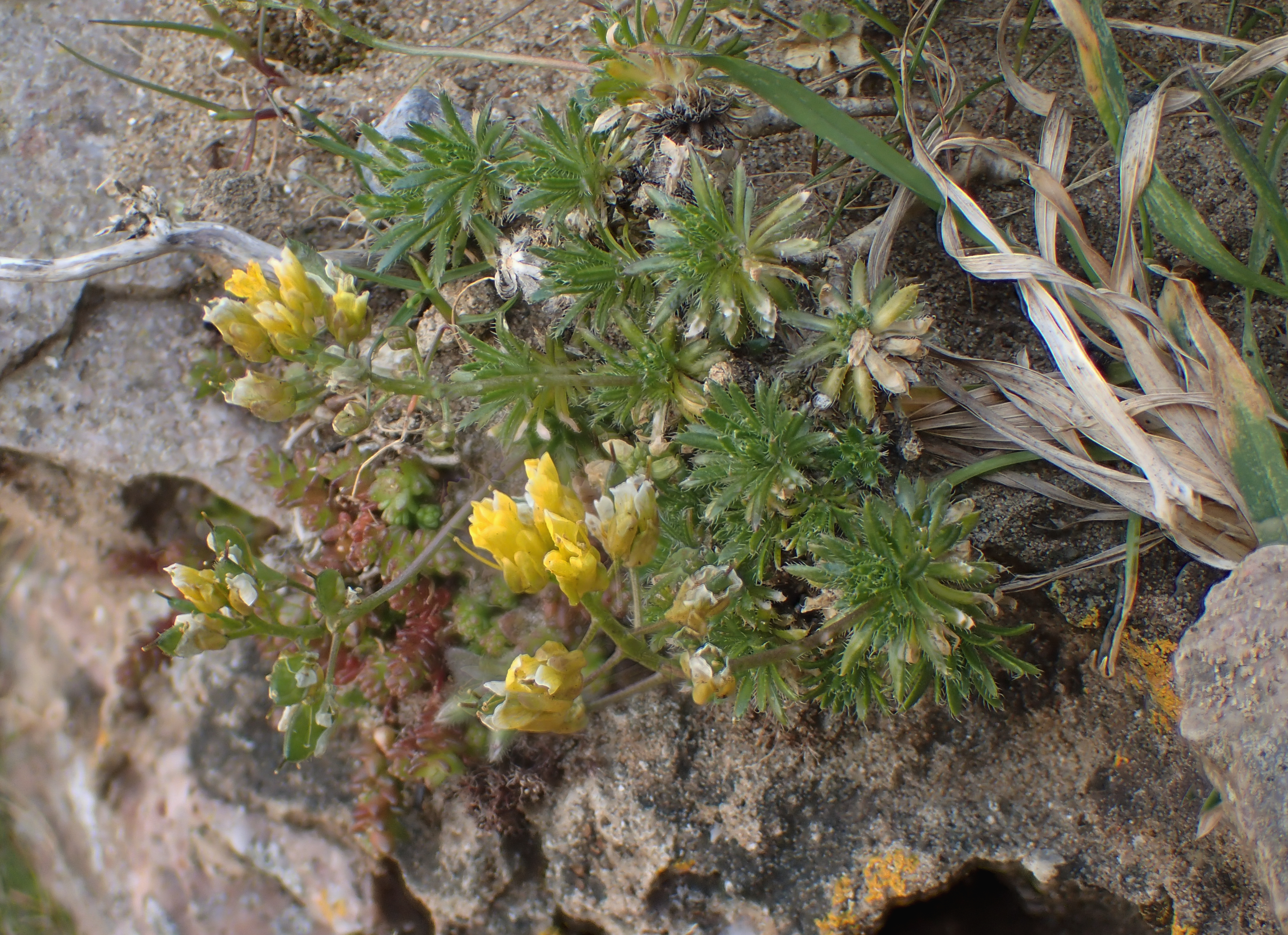
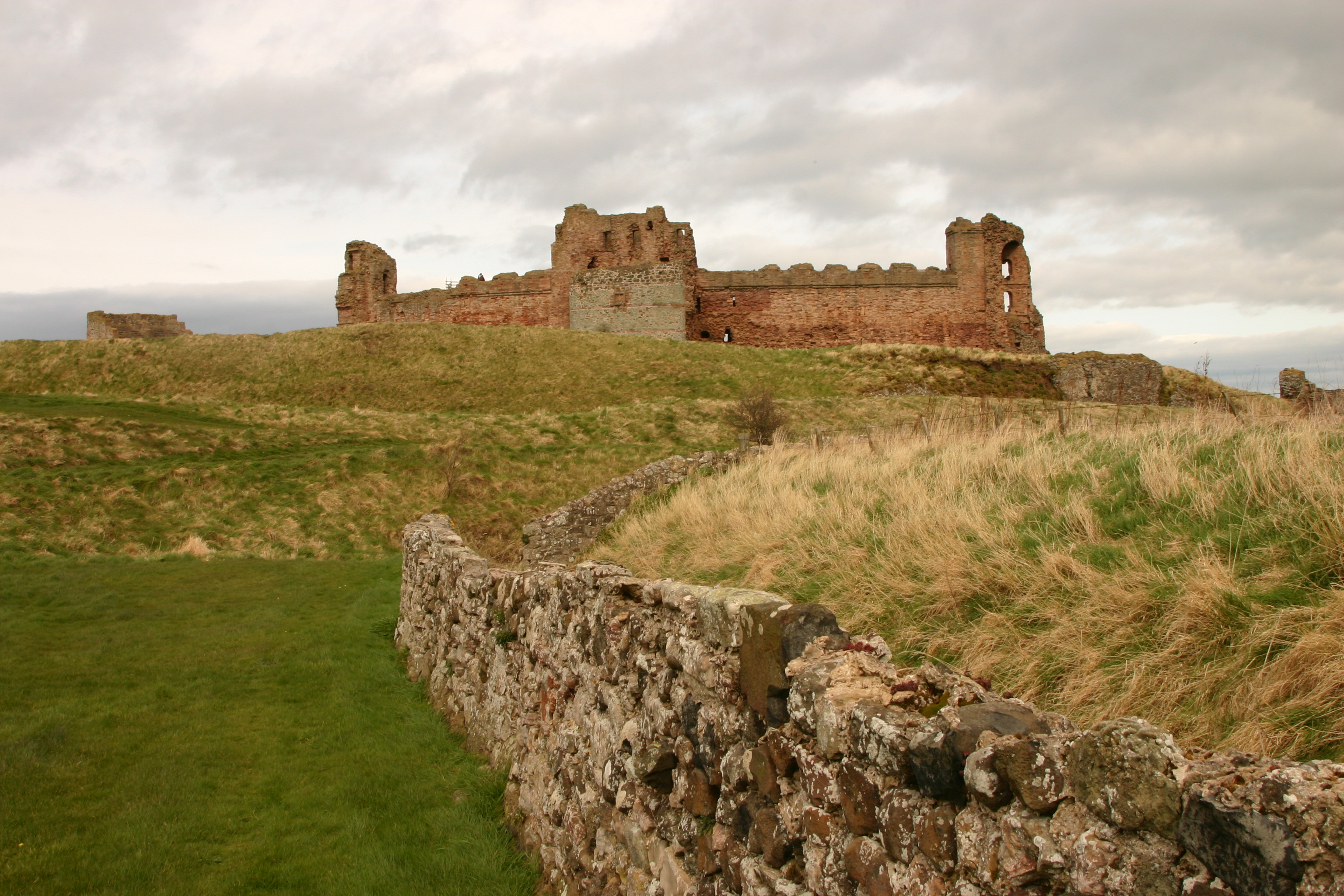
Pennard Castle was first built in 1107 by Henry de Beaumont, Earl of Warwick after he had been granted Lordship of Gower by Henry 1 and is believed to be one of at least 7 built by him on the Gower. The reason was because local Welsh tribes were not so happy with the Norman take over. The initial castle was a timber ringwork – common following the Norman invasion and consisting of a defensive ditch, ramparts and a timber hall. later the limestone structure replaced the timber. The castle was only occupied until the 1600’s and has gradually declined ever since helped by the wind blown sand etching away at it. Restoration work has been carried out in recent years. On my visit a local who knew all about the importance of the site and the presence of the extremely rare plant told us that a misguided but well intentioned local had carried out some repointing on his own initiative and this had resulted in a big decline in the Yellow Whitlowgrass population. Careful management is needed to preserve this species which so far has survived for maybe 100,000 years.
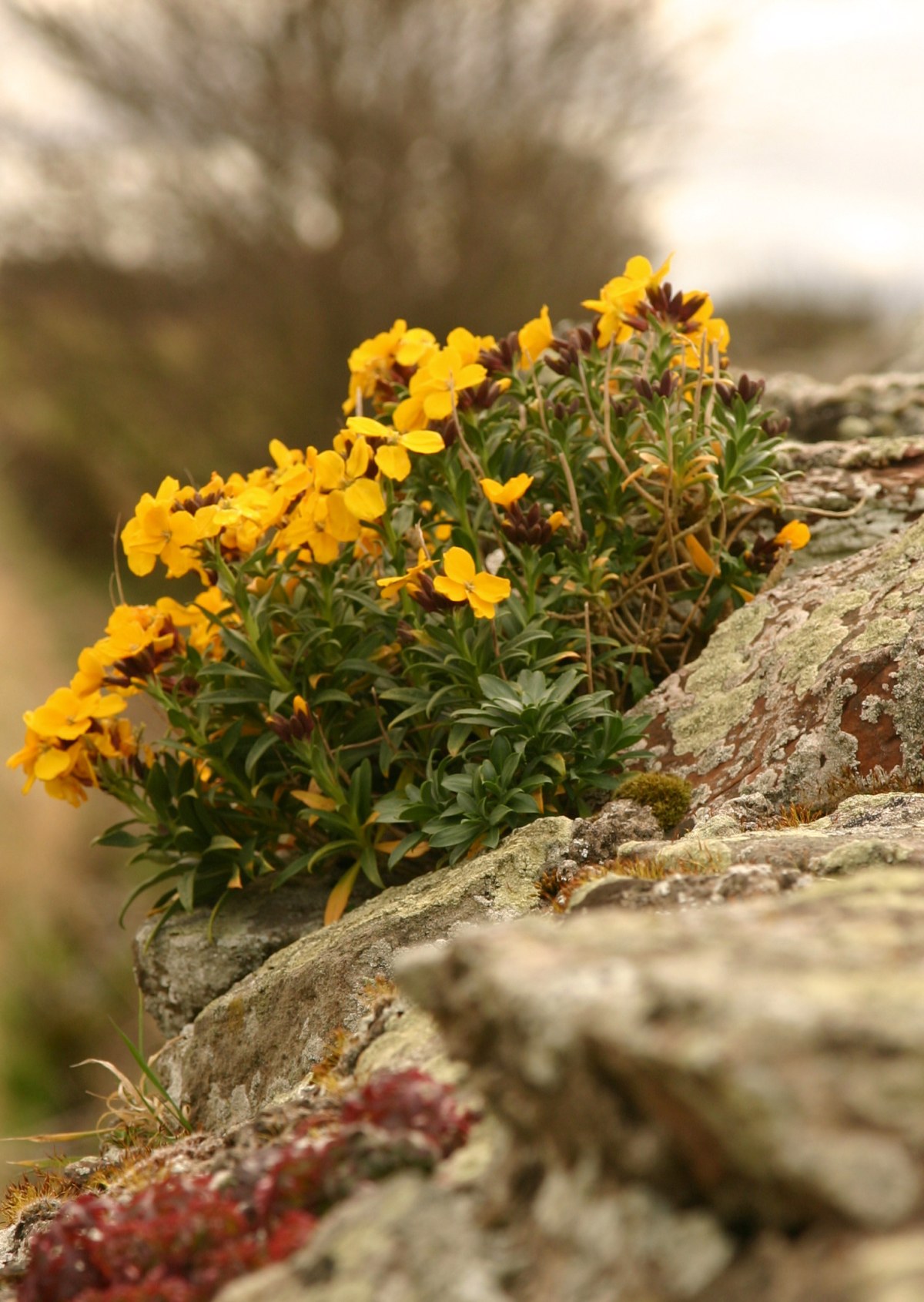









 Walls and Flowers
